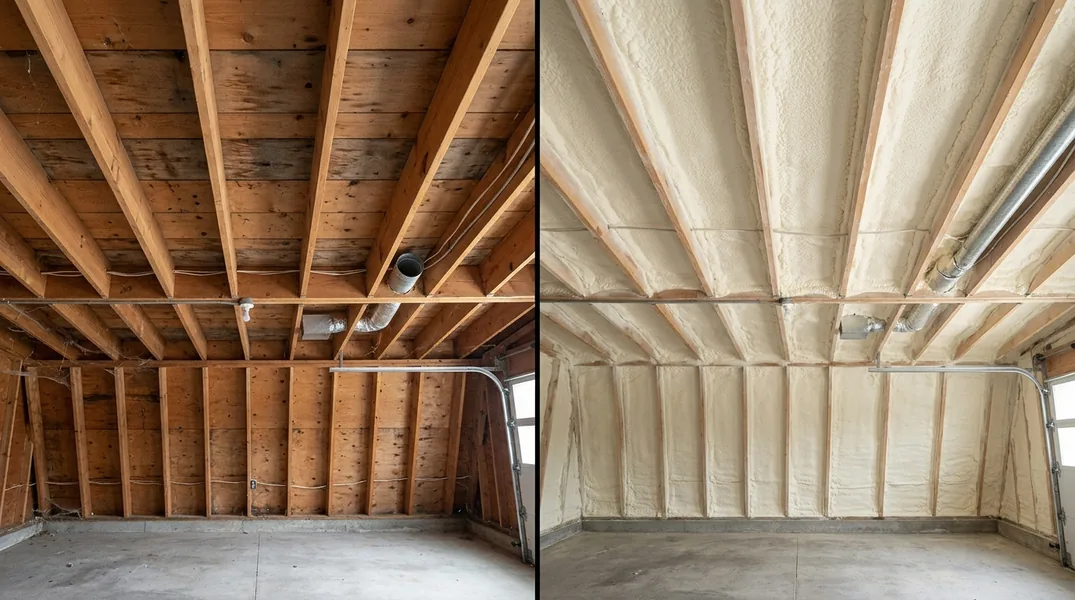
Understanding Spray Foam Attic Insulation: Open Cell vs Closed Cell
When it comes to insulating your attic, attic spray foam insulation has become one of the most effective solutions for homeowners in Waterloo looking to improve energy efficiency and comfort. However, not all spray foam is created equal. The two primary types available are open cell and closed cell spray foam, and each brings distinct advantages and trade-offs to the table.
Understanding the fundamental differences between these two options is essential before making an investment in your home's insulation. Open cell spray foam is lighter, more flexible, and typically less expensive, while closed cell spray foam is denser, more rigid, and offers superior moisture resistance. The choice between them depends on your specific climate conditions, budget, and long-term goals for your Waterloo home. Let's explore what makes each type unique and which might be the better fit for your attic.
What Is Open Cell Spray Foam Insulation?
Open Cell Spray Foam Insulation is created when the cells of the foam are not completely closed. This creates a softer, more flexible material that allows air and moisture to pass through it. Open cell foam typically has an R-value of about 3.5 to 3.6 per inch, which is lower than closed cell alternatives but still provides solid thermal resistance for many applications.
One of the major advantages of open cell foam is its cost-effectiveness. It generally costs less to install than closed cell options, making it an attractive choice for homeowners working with a tighter budget. Additionally, open cell foam is excellent at sound dampening, which can reduce noise transmission through your attic. However, because it is permeable to moisture, it works best in applications where moisture control is not the primary concern. In Waterloo's climate, where humidity levels can fluctuate seasonally, open cell foam may require additional ventilation or vapor barriers to perform optimally.
What Is Closed Cell Spray Foam Insulation?
Closed Cell Spray Foam Insulation features cells that are completely closed off from one another, creating a dense, rigid barrier. This structure gives closed cell foam superior insulating properties, with R-values typically ranging from 6.0 to 7.0 per inch. This higher R-value means you need less material to achieve the same level of thermal resistance compared to open cell alternatives.
The closed cell structure also provides exceptional moisture resistance, making it ideal for creating a sealed attic insulation system. Because closed cell foam is impermeable to water vapor, it helps prevent moisture infiltration and condensation issues that can lead to mold growth and structural damage. The density and rigidity of closed cell foam also provide additional structural support to your attic framing. While closed cell foam costs more upfront, its superior performance and durability often justify the investment for homeowners seeking long-term energy savings and protection.
Sealed Attic Insulation and the Unvented Attic Advantage
Creating an unvented attic spray foam system is one of the most significant benefits of choosing spray foam insulation over traditional fiberglass or cellulose. When you seal your attic with spray foam, you're essentially creating a conditioned space that becomes part of your home's thermal envelope. This approach eliminates the need for attic ventilation and prevents the temperature fluctuations that occur in vented attics.
In Waterloo, where winters can be harsh and summers humid, an unvented attic provides consistent temperature control and helps prevent ice dams, which are a common problem in northern climates. By applying spray foam to the underside of your roof deck and the attic walls, you create a barrier that keeps conditioned air from escaping and prevents outside air from infiltrating. This sealed attic insulation approach is particularly effective when using closed cell foam, as its moisture resistance ensures the space remains dry and protected. The result is improved comfort, reduced energy consumption, and lower heating and cooling costs throughout the year.
Attic Spray Foam Insulation Cost in Waterloo: What to Budget
When planning your insulation project, understanding the financial investment required is crucial. The pricing for spray foam attic insulation varies based on several factors, including the type of foam selected, the size of your attic, and the complexity of the installation. Open cell foam typically ranges from lower cost per board foot compared to closed cell, which commands a premium due to its superior performance characteristics.
For a typical Waterloo home attic, you can expect to invest anywhere from several thousand dollars for a complete spray foam system, depending on your specific needs. While this may seem like a significant upfront expense, it's important to consider the long-term savings. Homeowners often recoup their investment through reduced energy bills within five to ten years, and the improved comfort and protection typically last 20 to 30 years or longer. To get an accurate estimate tailored to your home's specific dimensions and requirements, we recommend requesting a free estimate from our team at Waterloo Spray Foam Insulation. Call us at (319) 349-2560 to schedule an inspection.
Which Option Is Right for Your Waterloo Home?
Choosing between open cell and closed cell spray foam ultimately depends on your priorities and circumstances. If your primary concern is maximizing R-value and moisture protection, closed cell foam is the superior choice. Its higher insulating power and impermeability make it ideal for homeowners who want the best possible performance and are willing to invest more upfront. Closed cell foam is particularly recommended for attics in areas prone to moisture problems or for those planning to create a fully sealed, conditioned attic space.
On the other hand, if budget is your primary concern and you're looking for a solid insulation upgrade that still provides good thermal resistance, open cell foam may be the right fit. It works well in drier climates and applications where sound dampening is valued. However, in Waterloo's climate, closed cell foam often delivers better overall performance due to its superior moisture resistance and higher R-value per inch.
The best way to determine which option is right for your specific situation is to consult with experienced professionals who understand local conditions. Waterloo Spray Foam Insulation can evaluate your attic, discuss your goals, and recommend the most cost-effective solution for your home. We also offer Wall & Injection Foam Insulation services if you're interested in comprehensive home insulation solutions beyond your attic. Contact us today at (319) 349-2560 or visit our website to schedule your free estimate and take the first step toward a more energy-efficient home.
Looking for a professional spray foam insulation contractor in Waterloo? Waterloo Spray Foam Insulation responds fast for all your spray foam insulation needs.
Get a Free Quote